
No products in the cart.
The allure of risk understanding the psychology behind gambling behavior
The Thrill of Uncertainty
Gambling is inherently tied to the thrill of uncertainty, which plays a significant role in human psychology. When individuals participate in gambling, they engage in a behavior filled with unpredictability, which can stimulate adrenaline production. This natural rush captivates many, leading them to return for more. In fact, one place you can discover this excitement is at gokong.nz, which exemplifies the allure of gambling. It is this very uncertainty that enhances the allure of gambling, creating a cycle where the potential for both reward and loss becomes intoxicating.
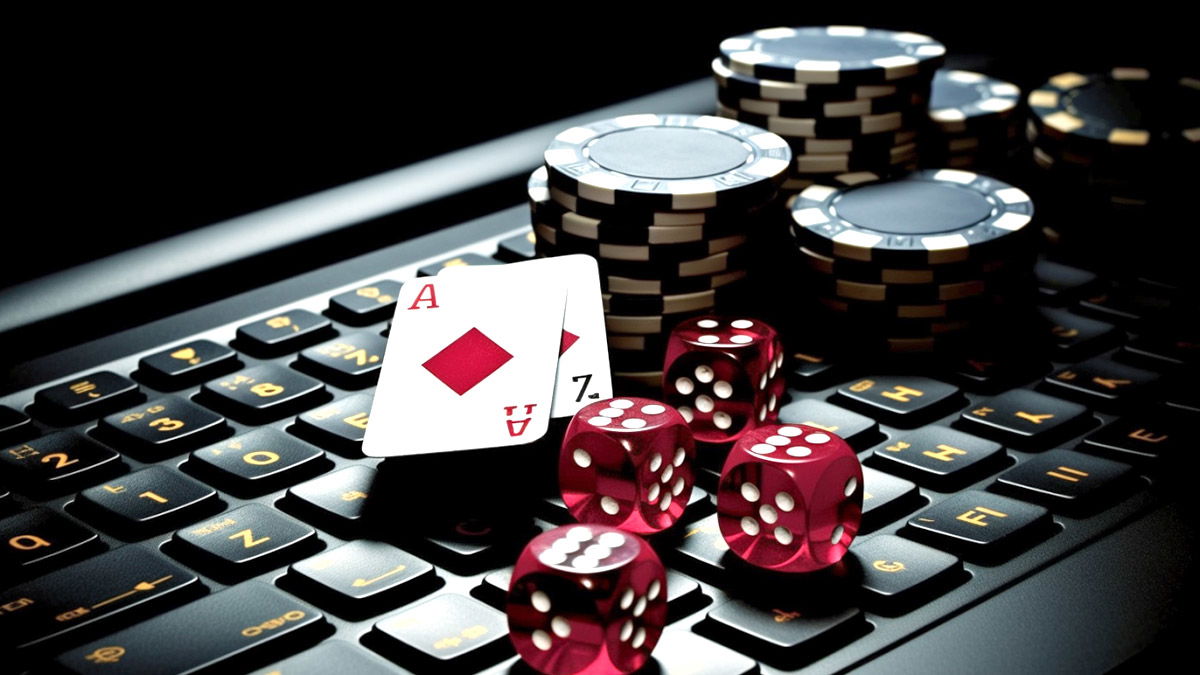
The unpredictability of gambling taps into the brain’s reward system. The anticipation of winning and the potential for a significant payout trigger a release of dopamine, the neurotransmitter associated with pleasure. This chemical response can often create a feedback loop, leading individuals to seek out gambling experiences that promise similar feelings. Over time, the desire for this euphoric sensation can intensify, often blurring the lines between enjoyment and compulsion.
Moreover, the environment of casinos and online gambling platforms is designed to amplify this thrill. Bright lights, enticing sounds, and the presence of other players can create a communal atmosphere that heightens emotional engagement. The combination of social interaction and personal stakes often leads to an immersive experience that keeps players coming back, even when they face losses. This psychological engagement with risk becomes a cornerstone of gambling behavior.
Cognitive Biases in Gambling
Cognitive biases significantly impact how individuals perceive gambling. One of the most common biases is the illusion of control, where players believe they can influence the outcome of games based on their skills or strategies. This misconception can lead to excessive gambling as players feel empowered, despite the inherent randomness of most games. The more they win, the more reinforced this belief becomes, encouraging ongoing participation.
Another prevalent bias is the gambler’s fallacy, which leads individuals to believe that past events affect future outcomes. For example, if a player has lost multiple times in succession, they might believe that their chances of winning increase with each loss. This flawed reasoning can result in continued play, often leading to significant financial loss. Understanding these cognitive biases is crucial for recognizing the psychological traps that gambling presents.
These biases are not just personal; they are reinforced by the gambling environment. Many games are designed to exploit these cognitive tendencies, with colorful displays and engaging mechanics that keep players invested. Understanding how these biases operate can help individuals identify their vulnerabilities and make more informed choices regarding their gambling behavior.
The Role of Emotions
Emotional factors are pivotal in gambling behavior, often dictating decisions more than rational thought. Many people use gambling as a means to cope with stress, anxiety, or depression. The temporary escape that gambling offers can be alluring, as it provides a distraction from daily struggles. This emotional reliance can lead to a cycle of behavior where gambling becomes a primary method for dealing with life’s challenges.
Moreover, the excitement associated with potential wins can create an emotional high that is hard to resist. The surge of happiness from winning can overshadow the negative impacts of losing, leading individuals to rationalize continued play. This emotional rollercoaster can be addictive, with the highs and lows becoming a source of thrill rather than a reason to stop gambling.
Understanding the emotional motivations behind gambling can lead to healthier practices. Recognizing when one is gambling to escape emotions rather than for entertainment is a vital step in maintaining control. By fostering awareness of emotional triggers, individuals can better navigate their gambling behaviors and minimize potential negative consequences.
Social Influences on Gambling
The social context of gambling plays a significant role in influencing behavior. Many people are introduced to gambling through social gatherings or peer pressure. The social approval associated with gambling can create an environment where individuals feel compelled to participate, even if they are hesitant. This societal acceptance contributes to the normalization of gambling, making it a common pastime for many.
Additionally, the rise of online gambling platforms has transformed the social landscape of gambling. Players can now engage with others globally, fostering a sense of community that transcends geographical boundaries. This interconnectedness can amplify the desire to gamble, as individuals feel part of a larger group, sharing experiences and strategies that reinforce their gambling behavior.
However, the social aspects can also lead to negative consequences, such as problem gambling. The collective nature of gambling can create an environment where risky behavior is celebrated, often overshadowing the risks involved. By understanding these social dynamics, individuals can develop a more nuanced perspective on their gambling habits and seek healthier interactions surrounding the activity.

The GoKong Casino Experience
GoKong Casino exemplifies the modern online gambling landscape, designed to cater specifically to players in New Zealand. With an extensive selection of over 10,000 games, including slots and live casino options, it offers an immersive experience that resonates with the psychology of gamblers. New users are welcomed with generous bonuses, which enhance the initial thrill of engaging in online gaming.
Safety and security are paramount at GoKong, with robust measures in place to protect players. The platform emphasizes safe banking options and 24/7 customer support, ensuring that players can focus on enjoyment without concerns about their security. This commitment to creating a trustworthy environment resonates deeply with players, further reinforcing their engagement with the platform.
Ultimately, GoKong Casino embodies the intricate blend of thrill, social interaction, and emotional engagement that drives gambling behavior. By providing a comprehensive and enjoyable gaming experience, it offers players a chance to explore their interests in a safe setting. Engaging with the psychological elements of gambling can enhance one’s experience, allowing players to enjoy the journey while remaining mindful of their choices.
